
–
–
Glass-core-substrates
–
–
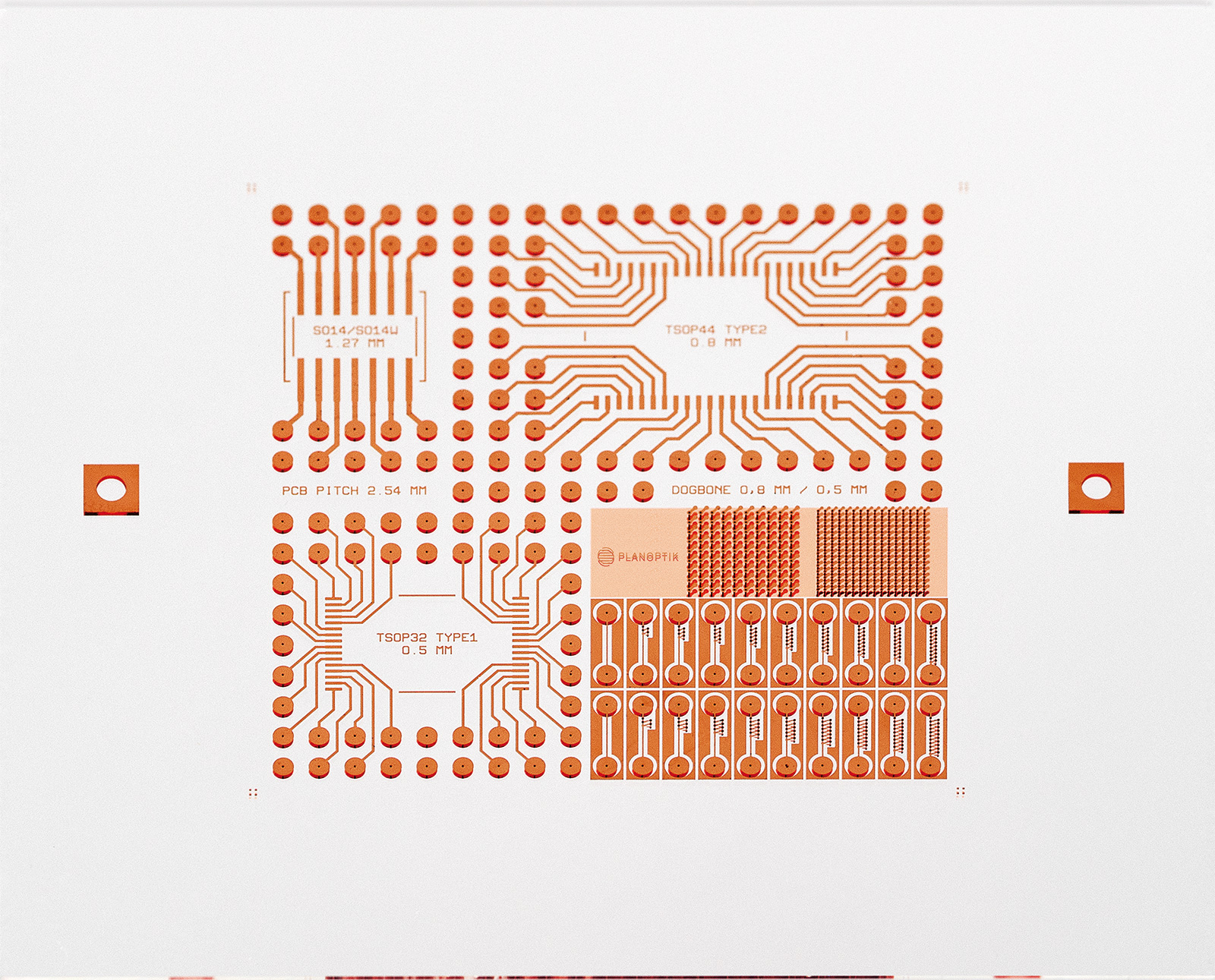
PLANOPTIK develops glass-core substrates for advanced packaging, providing a high-precision platform for attaching and interconnecting microchips and semiconductor components.
The glass core is processed with fine through-glass vias and copper metallization, enabling reliable routing and high-density electrical interfaces using wafer-level manufacturing and lithographic structuring.
–
–
Glass-core-substrates enable chips and sensors to be stacked in the smallest of spaces.
Individually developed.
–
–
Discover the technologies we offer to shape Glass-Core-Substrates for Advanced Packaging. Individually developed and manufactured from R&D to high volumes.
– THROUGH-GLASS-VIAS
– METALLIZIATION
– CAVITIES
– DIFFERENT GLASS TYPES
– MDF POLISHING
– MARKINGS
– DICING
– REDISTRIBUTION LAYER (RDL)
– SOLDER MASK
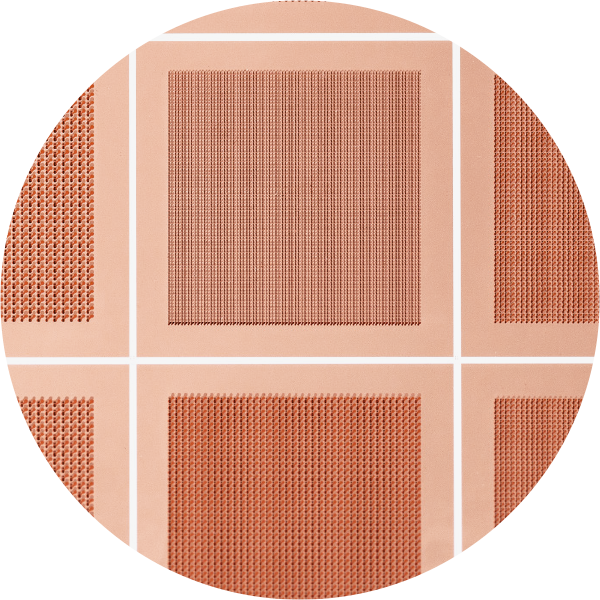
Metallisation
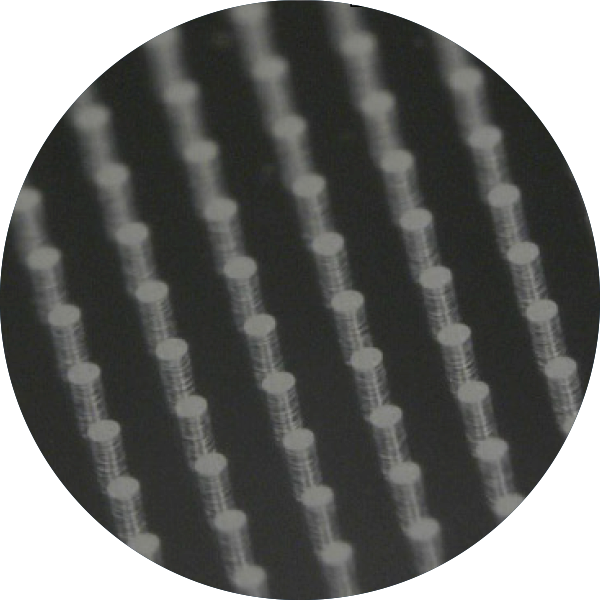
Through Glass VIAS
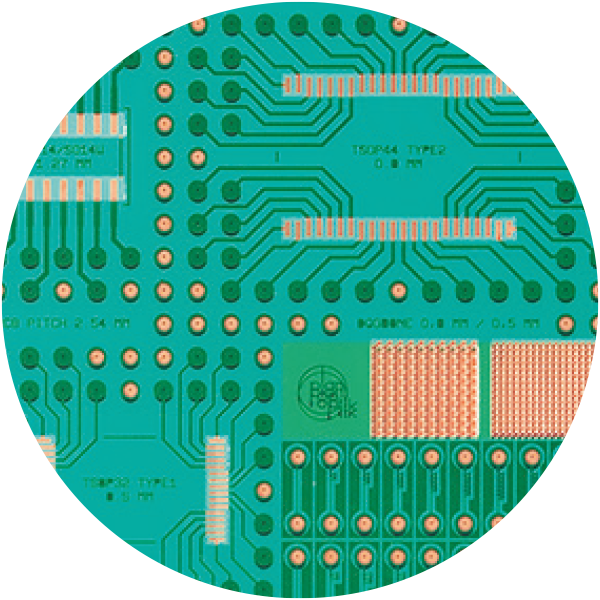
Solder mask

Redistribution layer
MDF Polishing
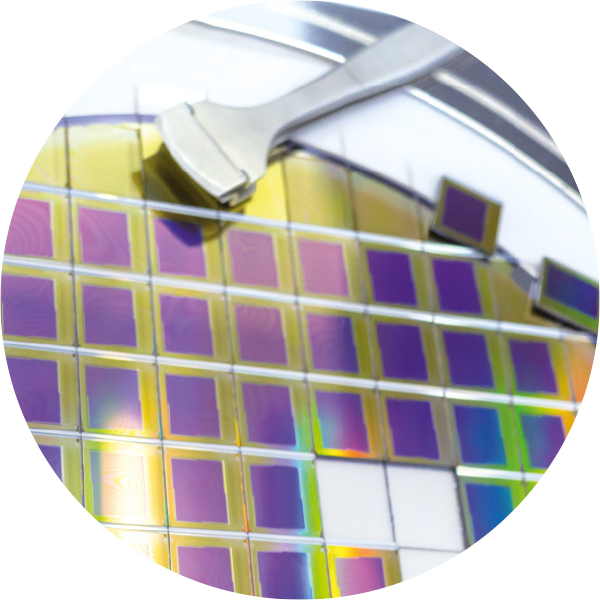
Dicing
–
–
Glass – the best choice
for Advanced Packaging
Glass – the best choice for Advanced Packaging
Glass is becoming a key material for advanced packaging and high-density interconnects. Compared to conventional organic PCB substrates, glass offers outstanding dimensional stability, electrical insulation and thermal reliability – enabling tighter layouts and more robust packages.
Key advantages of glass vs. classic PCBs:
- Higher dimensional stability for fine-pitch routing and accurate alignment
- Excellent electrical insulation with low signal losses at high frequencies
- Low CTE and high thermal stability for reduced warpage and improved reliability
- High stiffness and flatness for advanced assembly and multi-chip integration
- High-precision through-glass vias (TGVs) for vertical interconnects and dense I/O
These properties make glass-core substrates an ideal platform for next-generation semiconductor packaging, especially for high-performance computing and RF applications.
–
–
3D Packaging based on
glass-core-substrates
3D Packaging based on glass-core-substrates
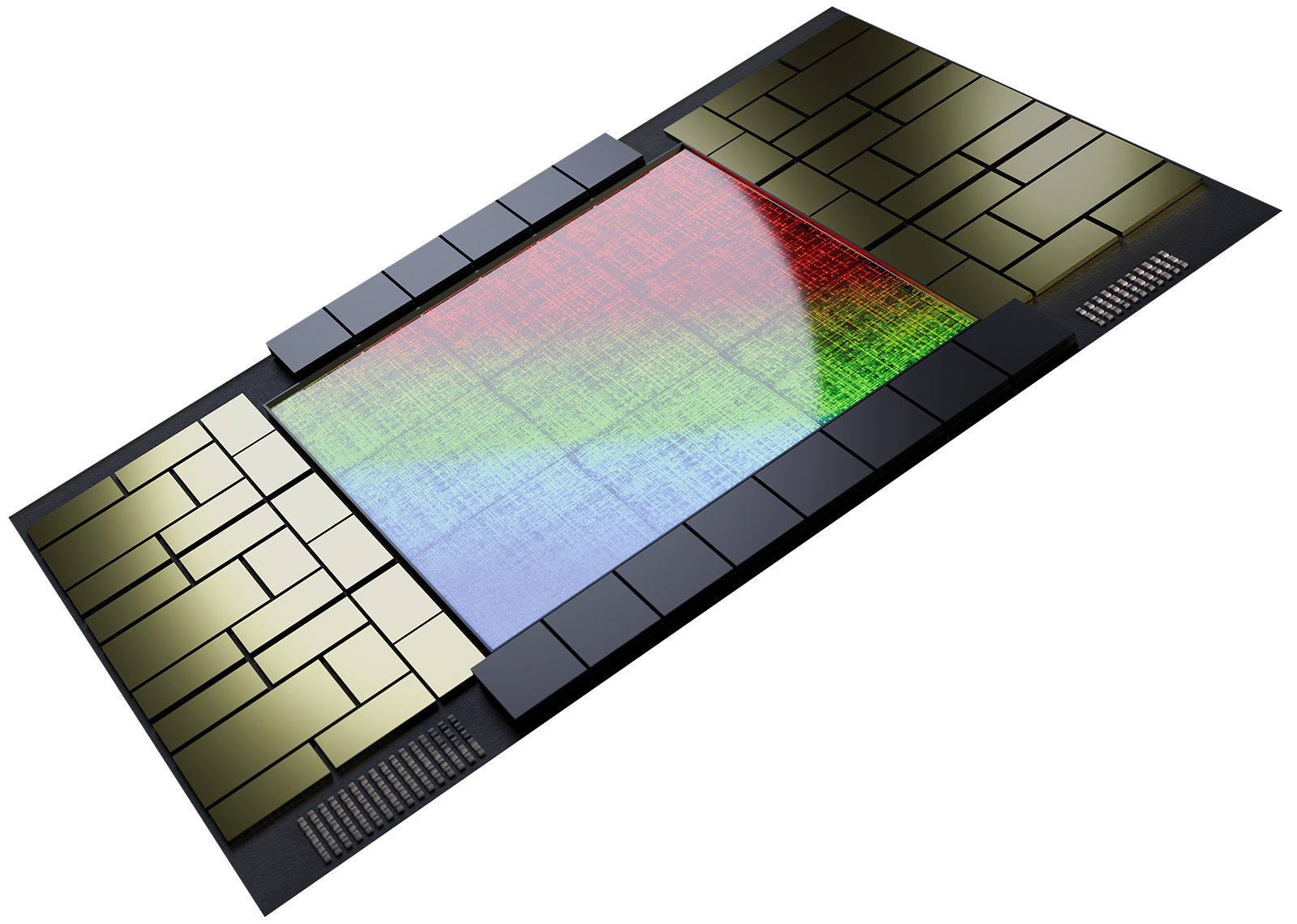
Glass-core-substrates are used in advanced packaging to connect and integrate multiple chips and electronic components in one compact module. Acting as a high-precision interconnect platform, they enable dense routing and reliable signal transmission – especially when space is limited and performance requirements are high.
This makes glass-core-substrates ideal for next-generation electronics such as AI hardware, high-speed data communication, and RF applications, where smaller, faster and more energy-efficient devices are required.
–
–
Interposers
and structured
glass-core-substrates
–
–
A key application for glass-core-substrates is interposers. Interposers act as high-density routing layers that connect multiple chips within one package, enabling compact multi-chip modules and 2.5D integration. PLANOPTIK manufactures glass interposers using wafer-based processes.
–
–
How to create a glass core substrate
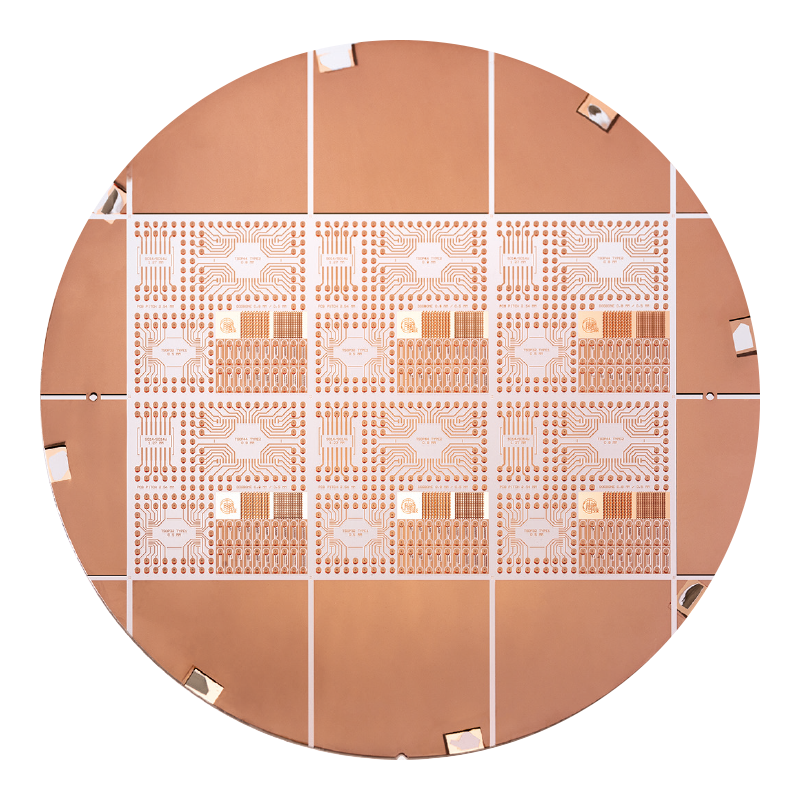
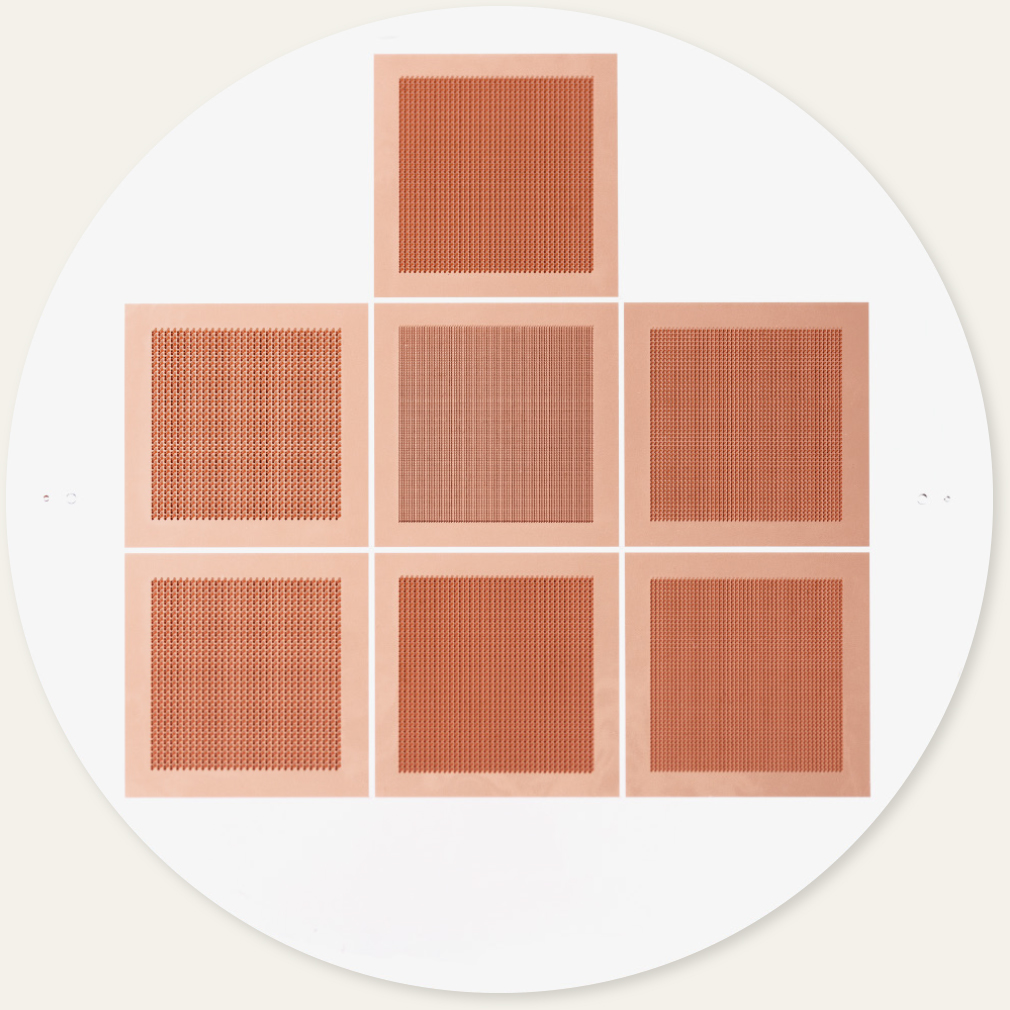
Glass wafer with micro holes, copper coated
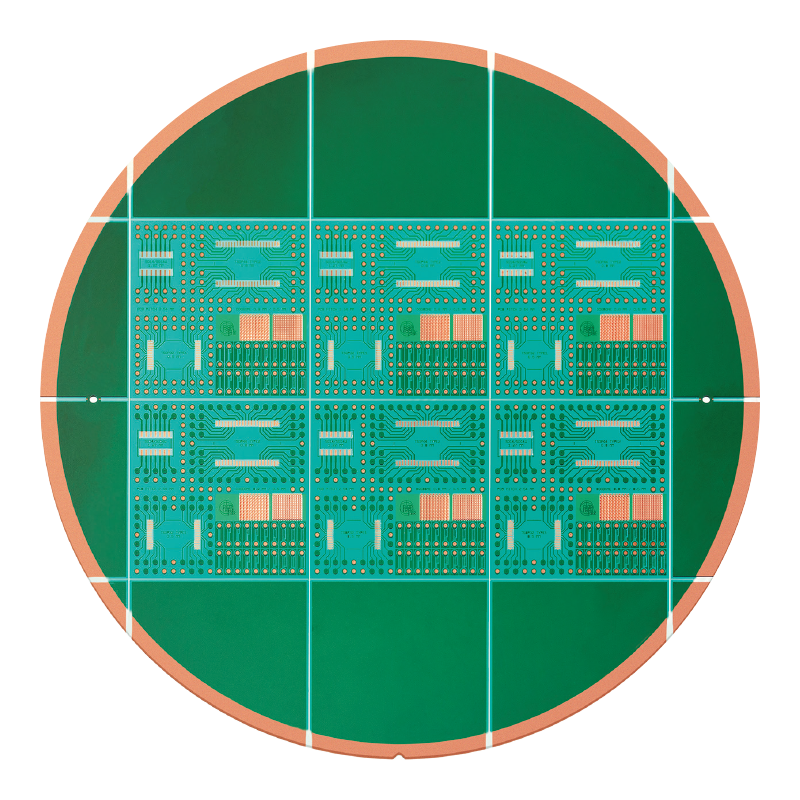
Wafer additionally coated with solder resist

Interposer after dicing

–
–
Team up with PLANOPTIK
–
–

–
–
Individually developed
Are you developing a new microsystem? Are you combining microelectronics, micromechanics or microfluidics to create a new product? Are you developing a sensor, an electronic device, a fluidic system or something that has never existed before? Team up with PLANOPTIK.
–
–
Reliable partnership
In us you will find a partner who will work with you to develop electronic, mechanical, optical, chemical or biological microcomponents and has a firm grasp of materials such as glass, silicon and copper.
–
–
Together until production
PLANOPTIK also manufactures the jointly developed microcomponents and elements in high volumes using state-of-the-art wafer-based manufacturing processes.